There is a stone in this forest with a man’s name on it. He did not die here. He simply understood this place better than anyone before or since — and the trees that surround you tonight are his proof. He listed to their whispers and understood what was needed to help them….
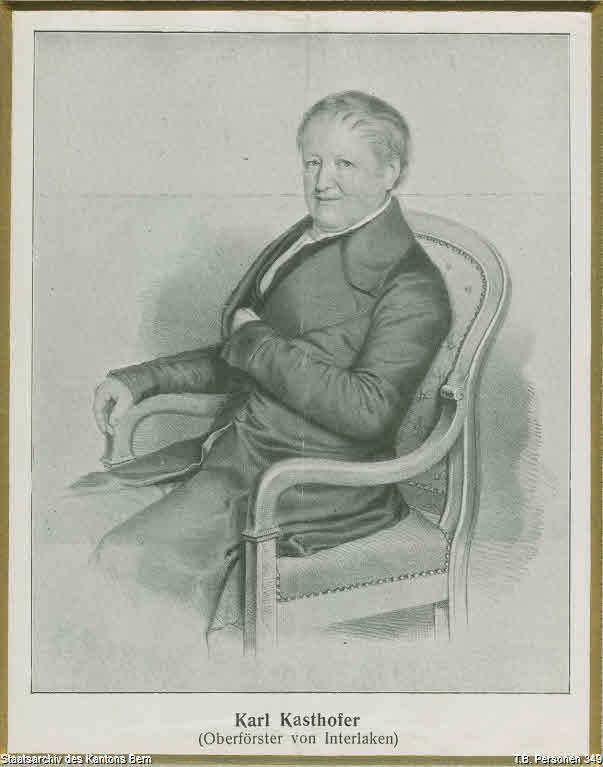
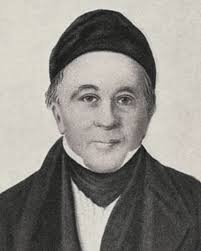
Karl Albrecht Kasthofer & The Language of Trees
In the early 19th century, Karl Albrecht Kasthofer was one of the few people in Europe who understood what was about to happen to the mountain forests — and what it would mean when it did. A trained forester who worked across the Swiss cantons, Kasthofer spent decades walking the ridges and valleys of the Alps, measuring, mapping, and recording what he found. What he found alarmed him.
The systematic clearing of mountain forests — for timber, for pasture, for the pressure of growing populations — was destabilising the slopes above Alpine communities. Without the root systems of mature trees holding the hillsides together, the snows of winter had nothing to grip. The spring melts sent rivers over their banks. The summer droughts went deeper. Kasthofer understood, with the precision of a scientist and the passion of someone who genuinely loved what he was watching disappear, that the forest was not a standing resource. It was the valley’s first line of defence.
He published, petitioned, argued and planted. He fought with cantonal authorities, trained foresters in his methods, and raised saplings by hand in mountain nurseries. He wrote about the forest in a language that was unusual for his era — not merely the language of resource management, but something closer to the language of relationship. The trees above Interlaken, he argued, were not standing there for the convenience of the people below. They were standing there first. They had their own claims. Kasthofer spent his life making the case that those claims deserved a serious response.
The Kasthofer Stone, beside this path, marks the man. The forest around it is his argument.
Still alive as sustainability pioneer
The forest management plan for the Kleine Rügen is still updated every decade — on principles Kasthofer would recognise without difficulty. And he is generally considered one of the founders of the principle we call ‘sustainability’ these days.
On the Whispering Woods Walk
At Station 9, the trail slows. The trees are older here, taller, their canopy closing the Aurora light to something amber and close. The Kasthofer Stone is lit from within. Your app carries his words — pulled from his own published writings. Stand with your back against one of the old trunks and listen. The forest has been listening back for two hundred years.
The full story of The Tree Whispere — including the audio drawn from Kasthofer’s own texts and the forest sound installation at Station 9 — is only experienced when you walk the trail to its penultimate station.
[Book Your Lantern →]
This legend connects to three others in the woods. Find the thread.
[← Previous Legend] [Next Legend →]